Something unusual is happening inside one of the world’s most influential AI labs and people across tech defense and creative industries are paying attention. Anthropic AI is no longer just about safer models or better coding help. It has become a focal point for debates around automation military ethics copyright and even biological risk. If you care about where artificial intelligence is heading next this story matters more than you think.
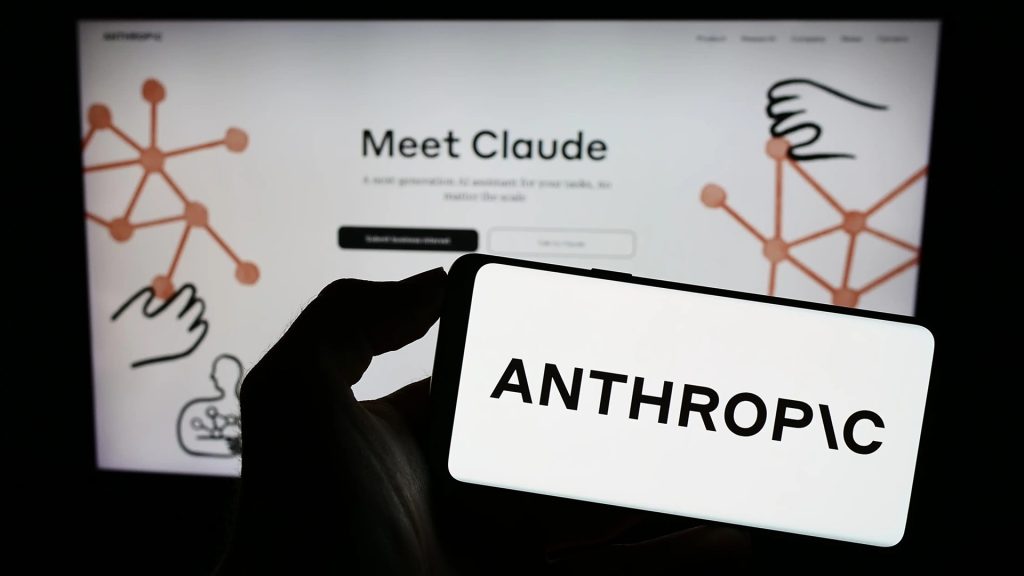
Anthropic AI and the New Reality of Coding
Anthropic AI recently released research that quietly sent shockwaves through the software world. The company confirmed that AI assistance is no longer a minor productivity boost for developers. It is now deeply embedded in real coding workflows. Engineers using Claude are not just fixing bugs faster. They are learning new patterns improving problem solving speed and offloading routine logic to machines.
What stands out is how Anthropic frames this shift. Instead of positioning AI as a replacement the company emphasizes skill amplification. Developers still make architectural decisions. AI handles repetitive implementation. This partnership model is becoming the norm across elite AI labs.
One striking claim circulating in tech circles is that nearly all production code inside leading AI firms is now AI assisted. At Anthropic AI and its peers humans increasingly guide direction while models execute the heavy lifting. This is not science fiction anymore. It is the daily reality inside top research teams.
Why this matters for everyday developers
• Faster onboarding for junior engineers
• Reduced burnout for senior developers
• More focus on creative system design
• Rapid iteration cycles that were impossible five years ago
You can love this update or feel uneasy about it but ignoring it is no longer an option.
Internal Tension Inside Anthropic AI
Behind the innovation lies a growing identity struggle. Multiple observers have described Anthropic AI as being at war with itself. On one side is the ambition to build the most capable helpful models in the world. On the other is a deeply rooted commitment to safety alignment and restraint.
This tension became public as Anthropic expanded Claude’s capabilities while simultaneously tightening its usage policies. Some employees reportedly worry that rapid commercial demand could undermine the company’s original mission. Others argue that responsible deployment at scale is the only way to influence the broader AI ecosystem.
This internal conflict is not a weakness. It is a reflection of how high the stakes have become. Anthropic AI is no longer an experiment. It is a power center shaping how intelligence itself is deployed.
The Pentagon Clash That Changed the Conversation
One of the most serious flashpoints came when the United States Department of Defense reportedly clashed with Anthropic over military applications of AI. Defense agencies see advanced models as strategic assets. Anthropic has drawn clear lines around lethal and autonomous weapon use.
This disagreement highlights a larger global dilemma. Governments want AI advantages. AI labs fear becoming tools of harm. Anthropic AI has taken a rare public stand by resisting certain defense integrations even as competitors move more quietly.
The outcome of this clash could set precedents far beyond one company. It raises urgent questions about who controls AI power and under what moral framework.
Biological Risk Warnings Add Another Layer
Anthropic CEO Dario Amodei has repeatedly warned that advanced AI models could be misused to assist in creating biological weapons. These are not abstract concerns. As models grow better at chemistry biology and research synthesis the risk surface expands.
Anthropic AI has invested heavily in red teaming restricted outputs and safety testing to prevent such misuse. Critics say no safeguards are foolproof. Supporters argue Anthropic is one of the few labs taking the threat seriously enough.
This focus on biosecurity places Anthropic in a unique position among AI companies. It also explains why the company sometimes moves slower than market expectations.
Copyright Battles with the Creative Industry
Another storm arrived from an unexpected direction. Music publishers have sued Anthropic alleging that copyrighted songs were used during model training. This lawsuit adds Anthropic AI to a growing list of companies facing legal challenges over data sourcing.
The creative industry fears erosion of ownership. AI firms argue that training does not equal copying. Courts around the world are now being asked to define the future of intellectual property in the age of machine learning.
The outcome of these cases could reshape how AI models are trained forever. Anthropic AI finds itself balancing innovation with legal and ethical accountability.
Why Anthropic AI Feels Different
There is a reason Anthropic AI keeps appearing at the center of these debates. The company positions itself as a conscience driven lab in a race dominated by speed and scale. That approach earns trust from some and skepticism from others.
Key traits that define Anthropic AI today
• Strong emphasis on constitutional AI principles
• Willingness to challenge government pressure
• Transparent discussion of risks
• Focus on long term alignment over short term dominance
Whether this philosophy survives commercial reality remains to be seen. But it undeniably shapes the current AI landscape.
What This Means for the Future of AI
Anthropic AI represents the crossroads where technology ethics and power collide. Coding is becoming faster and more accessible. Military interest is intensifying. Creative rights are under pressure. Safety concerns are no longer hypothetical.
For users and developers this moment offers both excitement and responsibility. The tools are improving rapidly. The decisions around their use will define trust for decades.
If you want a deeper understanding of global AI governance and ethics frameworks you can explore guidance from authoritative institutions like the Organisation for Economic Co operation and Development at https://www.oecd.org/artificial intelligence
Conclusion
Anthropic AI is not just building smarter models. It is forcing the world to confront uncomfortable questions about control creativity and consequence. You may not agree with every stance the company takes but its influence is undeniable. The next chapter of AI will be shaped as much by ethical resistance as by technical breakthroughs. Keeping an eye on Anthropic AI right now is not optional. It is essential.