
Artificial intelligence is moving faster than most people expected. Just a few years ago, AI generated images amazed the internet. Today, AI Generated Video Tools are creating realistic videos that can look almost identical to real footage.
This sudden leap in technology is exciting for creators, filmmakers, and marketers. But at the same time, it is raising serious questions about misinformation, authenticity, and the future of online content.
In recent weeks, several viral incidents have sparked debate across social media and the tech industry. From confusing AI visuals during global conflicts to professionals struggling to explain AI generated code, the conversation around artificial intelligence is becoming more complex than ever.
The rise of AI Generated Video Tools is not just about innovation. It is about how society adapts to a world where seeing something online may no longer mean it is real.
The Rapid Rise of AI Generated Video Tools
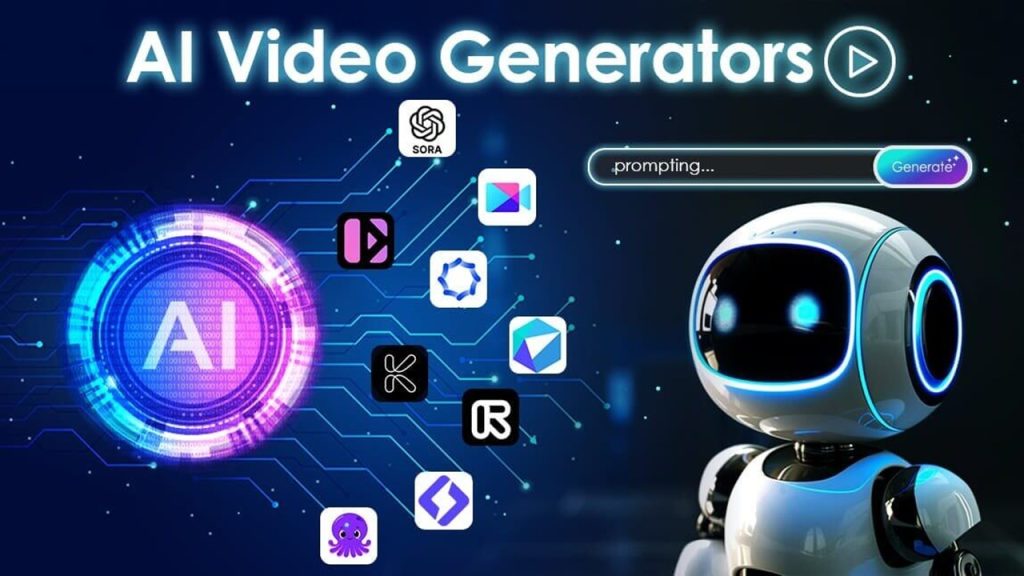
AI video technology has evolved dramatically in a very short time. Earlier tools could generate simple animations or short clips. Now, modern systems can produce highly realistic videos with lifelike movements, voices, and environments.
These tools are powered by advanced machine learning models that analyze enormous datasets of images, motion patterns, and audio recordings. The result is software capable of producing convincing videos from simple text prompts.
Creators and businesses are already using these tools in many ways:
• Social media content creation
• Advertising and marketing campaigns
• Educational videos and tutorials
• Film production and visual storytelling
• Virtual influencers and digital presenters
Platforms and technology companies are investing heavily in this space. Companies such as OpenAI, Google, and Runway AI are building tools that allow users to generate complex video scenes within minutes.
According to research shared by MIT Technology Review, AI generated media is expected to transform creative industries in the coming decade.
The promise of these tools is massive. But their growing realism is also creating challenges that few people predicted.
When AI Content Becomes Difficult to Detect
One of the biggest concerns surrounding AI Generated Video Tools is how difficult it can be to tell whether a video is real.
On social media platforms, AI generated visuals are increasingly appearing alongside real footage. In many cases, viewers have no way of knowing the difference.
During global events and conflicts, this problem becomes even more serious.
Recent reports have shown how AI generated war visuals are spreading online, sometimes mistaken for real battlefield footage. These videos often gain thousands or even millions of views before fact checkers step in.
This creates a dangerous situation where misinformation spreads quickly while the truth struggles to keep up.
The issue is not always intentional manipulation. In many cases, creators simply experiment with AI tools without realizing how realistic their content appears.
But once these videos circulate online, they can shape public opinion in powerful ways.
The Viral Moment That Revealed AI’s Growing Influence
Another incident that recently caught the internet’s attention involved a software developer who submitted code in a professional review.
When asked to explain the code he had written, he reportedly struggled to describe how it worked. After a long pause, it became clear that the code had likely been generated by artificial intelligence.
This moment quickly went viral online because it highlighted something many companies are starting to notice.
AI tools can produce impressive results. But relying on them without understanding the output can lead to serious problems.
In the software industry, developers are increasingly using AI assistants to speed up their work. While this can improve productivity, it also raises questions about accountability and expertise.
If someone submits AI generated work without understanding it, who is responsible if something goes wrong?
This question is now being discussed across engineering teams, universities, and tech companies.
Why AI Generated Video Tools Are So Popular
Despite the concerns, the popularity of AI Generated Video Tools continues to explode.
There are several reasons behind this rapid adoption.
Speed
Traditional video production can take days or weeks. AI tools can generate scenes within minutes.
Lower Costs
Small creators and businesses can now produce high quality video content without expensive equipment or production teams.
Creative Freedom
Users can experiment with ideas that would normally require large budgets. Complex visual scenes can now be generated from simple prompts.
Accessibility
People with little technical experience can create videos using simple text instructions.
For content creators, this technology feels revolutionary. A solo creator can now produce content that once required an entire studio.
This shift is one reason why social media platforms are now filled with AI generated clips that quickly attract attention.
The Growing Risk of AI Misinformation
While the creative potential is exciting, experts warn that AI Generated Video Tools could also accelerate misinformation.
The challenge is simple. Humans naturally trust visual evidence.
For decades, photographs and videos were considered reliable proof of events. AI generated media is changing that assumption.
Today, it is technically possible to generate:
• Fake news videos
• Simulated interviews
• Artificial footage of global events
• Realistic scenes that never happened
Even when such content is created as satire or art, it can easily be misunderstood once it spreads online.
This is why fact checking organizations and researchers are now focusing heavily on AI generated media detection.
Governments and technology companies are also exploring ways to label or watermark AI generated content.
However, the technology continues to improve rapidly, making detection more challenging.
Social Media Platforms Face a New Challenge
Social networks are now at the center of the AI video debate.
Platforms such as YouTube, Instagram, and TikTok are seeing an increase in AI generated clips. Some of these videos are creative experiments. Others intentionally mimic real world events.
The challenge for platforms is finding the balance between innovation and responsibility.
Strict rules could slow down creative experimentation with AI tools. But a lack of regulation may allow misleading content to spread widely.
Several platforms are now testing AI labeling systems that identify synthetic media. These labels could help viewers understand when a video was generated by artificial intelligence.
Still, experts say education is just as important as technology.
People need to learn how to question what they see online.
The Future of AI Generated Video Tools
Despite the controversy, there is little doubt that AI Generated Video Tools will continue evolving.
Technology experts believe the next few years will bring even more powerful capabilities.
Future tools may include:
• Fully interactive AI generated films
• Personalized video content generated in real time
• AI powered news simulations
• Virtual environments created instantly from text prompts
At the same time, governments and research organizations are expected to develop stronger policies around synthetic media.
The goal is not to stop innovation but to ensure that technology is used responsibly.
Many experts believe transparency will be key. Clear labeling, digital watermarks, and stronger media literacy may help people navigate this new digital landscape.
Conclusion
Artificial intelligence is entering a new phase where it does not just assist creativity. It actively generates media that can look indistinguishable from reality.
The rapid growth of AI Generated Video Tools shows how powerful and accessible this technology has become.
For creators and businesses, the opportunities are enormous. Video production is becoming faster, cheaper, and more creative than ever before.
But with that power comes responsibility.
As AI generated media spreads across social platforms, the line between real and artificial content is becoming harder to see.
Understanding this shift will be essential for creators, companies, and everyday internet users. The future of digital media may depend on how well we adapt to this new reality.