
Something big is happening in finance and it is not loud or flashy. It is subtle but powerful and once you notice it you cannot unsee it. Blockchain is quietly moving from hype to infrastructure and the past few weeks of news make that impossible to ignore.
From Wall Street to global banks to cyber security teams the conversation has changed. This is no longer about experiments. It is about scale trust and what comes next.
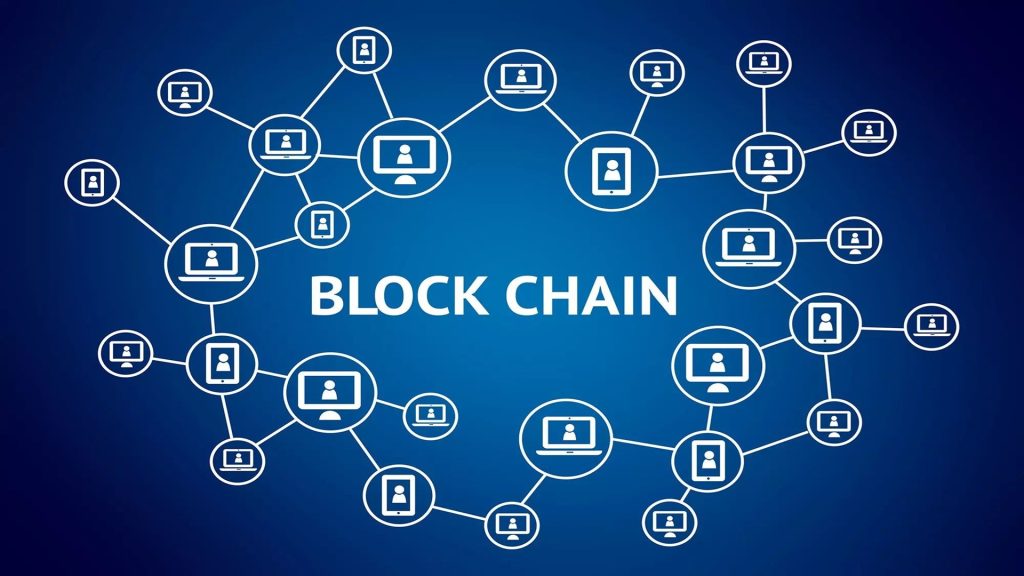
The Blockchain Conversation Has Grown Up
For years blockchain lived in a strange space. It was either praised as revolutionary or dismissed as unrealistic. That era is ending. What we are seeing now is a practical phase where serious institutions are deciding how blockchain fits into real systems.
Recent reporting shows this shift clearly. Financial firms are no longer asking if blockchain belongs in their operations. They are asking how fast they can deploy it without breaking what already works.
This change matters because when conservative institutions move it usually signals long term commitment rather than trend chasing.
Wall Street Is Preparing for Always On Markets
One of the clearest signs of this shift is the New York Stock Exchange planning a 24 hour trading platform for blockchain based securities. This is not a small adjustment. It challenges decades of assumptions about market hours liquidity and access.
Why does blockchain make this possible
• It allows near instant settlement
• It reduces reliance on manual reconciliation
• It creates transparent ownership records across time zones
If this model succeeds investors may soon expect markets that never sleep. That alone would reshape global trading behavior.
BlackRock Signals a Bigger Vision
When Larry Fink speaks markets listen. His recent comments about wanting the entire financial system on one common blockchain are not theoretical musings. They reflect pressure that large asset managers feel every day.
Fragmented systems cost money. They slow down settlements. They increase operational risk.
A shared blockchain infrastructure could
• Simplify asset transfers
• Reduce counterparty risk
• Improve regulatory visibility
This is not about replacing everything overnight. It is about building a common layer that connects banks brokers and funds more efficiently.
If BlackRock pushes in this direction others will follow. That is how real financial change usually happens.
Customer Growth Is Stress Testing Blockchain Systems
SoFi is another interesting case. Its customer growth is pushing internal systems to their limits. Blockchain solutions are being tested not as marketing features but as tools to handle scale.
This is an important distinction. Blockchain performs very differently under real world load than in demos. Seeing fintech firms stress test these systems tells us the technology is maturing.
What stands out is that blockchain is being used quietly behind the scenes. Customers care about speed reliability and access. They may never know blockchain is involved and that is actually a good sign.
When technology disappears into the experience it has found its place.
Blockchain and Cybersecurity Are Now Linked
Not all blockchain news is about finance. Recent reports on AI generated malware campaigns show how attackers are adapting fast. Blockchain systems are now part of the security conversation.
Decentralized systems change how identity verification logging and transaction tracking work. That can strengthen defenses but only if implemented carefully.
Security teams are now learning that blockchain adoption must go hand in hand with smarter monitoring and governance. There is no magic shield. There is only better design and constant vigilance.
This is a healthy evolution. It shows that blockchain is being treated as critical infrastructure rather than novelty tech.
Banks and Blockchains Are Learning to Talk
Another subtle but important development is the growing dialogue between traditional banks and blockchain networks. New foundations and working groups are forming to define shared standards.
This cooperation matters because finance does not run on technology alone. It runs on trust agreements and rules.
By aligning on how blockchain systems interact with banking rails institutions can
• Reduce regulatory friction
• Improve cross border payments
• Build confidence among conservative stakeholders
This is slow work but it is exactly how lasting systems are built.
Why This Moment Feels Different
You might be wondering why this wave of blockchain news feels more serious than past cycles. The answer is simple. The incentives have changed.
Institutions are no longer chasing headlines. They are chasing efficiency resilience and cost control. Blockchain now fits those goals in ways it did not before.
What you are seeing is not a revolution. It is something more durable. It is integration.
And integration tends to stick.
What Readers Should Watch Next
The next phase will be less visible but more impactful. Expect fewer announcements and more quiet rollouts. Watch for changes in settlement times trading hours and backend financial plumbing.
If you work in finance technology or investing this is the moment to pay attention. Blockchain is no longer asking for permission. It is being invited in.