
If you thought working in tech meant job security, think again. Google AI workers were fired in one of the most significant shake-ups in recent AI industry history. The layoffs, tied to disputes over pay, working conditions, and unionization efforts, have sent shockwaves across Silicon Valley and beyond. Here’s what really happened, why it matters, and what this means for the future of AI work.
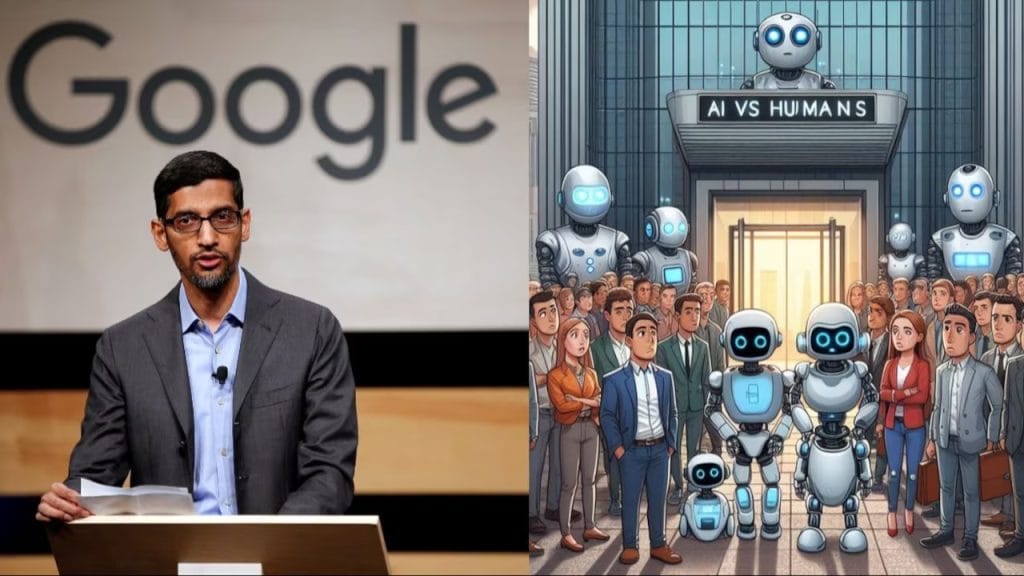
Mass Layoffs Shake Google AI Teams
Recently, hundreds of Google AI contractors and raters were abruptly dismissed. These employees played critical roles in developing and fine-tuning Google’s AI systems, yet many of them faced low pay, long hours, and limited benefits. Sources indicate that disputes over working conditions, along with attempts to unionize, were at the heart of the conflict.The impact was immediate. Teams working on AI evaluation and safety protocols were disrupted, raising questions about how these layoffs might affect Google’s AI projects in the coming months. Experts point out that losing institutional knowledge in AI can slow progress, especially in areas requiring careful oversight.
Unionization and Worker Rights
One of the core issues behind the layoffs was the unionization effort. Google AI workers have increasingly voiced concerns over job security, fair compensation, and transparent management practices. The company’s decision to terminate hundreds of employees during these efforts sparked criticism from labor advocates and industry watchers alike.Workers reportedly organized to demand better treatment, but the pushback from management led to widespread dismissals. This highlights a broader trend in the tech industry where AI development intersects with labor rights. Employees are seeking more influence in decision-making processes, and tech giants are facing pressure to balance innovation with ethical employment practices.
The Broader Tech Layoff Trend
Google is not alone. The tech industry has seen a wave of layoffs in 2025. Microsoft, for example, cut thousands of jobs, citing restructuring and efficiency improvements. While each company frames layoffs differently, the underlying trend points to an AI-driven industry still finding equilibrium between rapid technological growth and human resources management.Why Google AI Workers Were Fired
Here are the key reasons behind the terminations:Low Pay: Many contractors were reportedly underpaid relative to the critical AI work they performed.
Unionization Efforts: Workers attempting to unionize faced resistance, which coincided with the layoffs.
Working Conditions: Long hours and unclear career paths contributed to dissatisfaction.
Project Disruptions: Some layoffs were tied to shifting project priorities and restructuring.
The combination of these factors created a perfect storm that led to mass firings. The tech world is now closely watching Google, as these events could set a precedent for how AI contractors are treated globally.