The world of artificial intelligence rarely slows down. But every once in a while, a single case forces everyone to stop and pay attention. The conviction of Linwei Ding, a former Google engineer, is one of those moments. It is dramatic, unsettling, and deeply revealing about how valuable AI knowledge has become.
If you follow technology, geopolitics, or Silicon Valley culture, this story matters more than it first appears.
Who is Linwei Ding and why this case matters
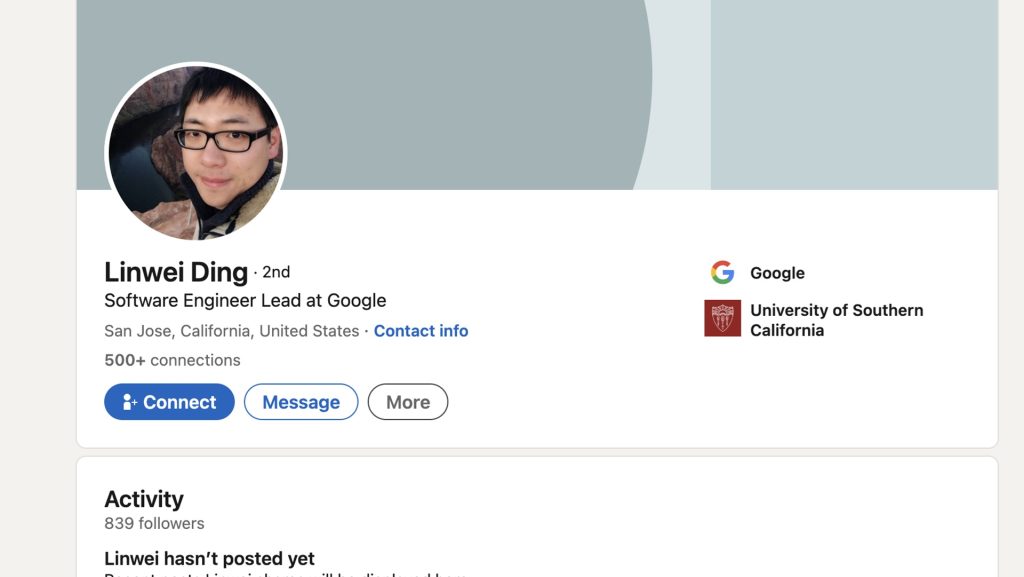
Linwei Ding was once part of one of the most elite engineering environments in the world. As a Google engineer, he had access to cutting edge research, internal systems, and highly sensitive artificial intelligence technology. According to US prosecutors, Ding secretly copied confidential AI files while still employed at Google and later used that knowledge to support a Chinese technology company.
After a lengthy investigation and trial, a US federal jury found Linwei Ding guilty of espionage and theft of trade secrets related to advanced AI infrastructure.
This was not a minor policy violation. Prosecutors described it as one of the most serious cases of AI related intellectual property theft ever brought to court in the United States.
What exactly was Linwei Ding accused of stealing
The stolen material was not consumer software or public research. It reportedly involved highly sensitive information tied to how large scale AI systems are built and optimized.
According to court filings and media reports, the information included:
• Internal Google documentation related to AI training systems
• Details about high performance computing infrastructure
• Technical designs used to scale advanced AI models efficiently
• Proprietary methods that give major AI labs a competitive edge
These are the kinds of secrets that take years and billions of dollars to develop. In the current global AI race, access to such knowledge can accelerate a country or company by several years.
How the investigation unfolded
What makes the Linwei Ding case particularly striking is how quietly it unfolded at first.
Investigators say Ding began transferring files while still employed at Google. At the same time, he was reportedly communicating with representatives of a China based technology firm and even helping establish a startup there.
The US Department of Justice eventually built a case using:
• Digital forensic evidence
• Internal company access logs
• Email and communication records
• Financial and travel documentation
When the case finally became public, it sent shockwaves through the tech industry. Many engineers realized just how closely companies and governments now monitor sensitive AI work.
Why this verdict is a turning point for AI security
The conviction of Linwei Ding is not just about one individual. It signals a major shift in how governments treat artificial intelligence.
AI is no longer viewed as just software. It is now considered strategic infrastructure, similar to defense technology or advanced semiconductors.
This case shows that:
• AI trade secrets are now a national security issue
• Engineers working on AI face far greater scrutiny
• Companies must rethink internal access controls
• Governments are willing to pursue severe penalties
The verdict sends a clear warning. The era of casual handling of AI intellectual property is over.
The geopolitical tension behind the case
It is impossible to separate this story from broader US China tensions. Artificial intelligence sits at the center of economic power, military capability, and global influence.
American officials argue that advanced AI systems could impact:
• Cybersecurity and surveillance
• Military planning and simulations
• Economic forecasting and automation
• Control over future technology standards
From that perspective, the Linwei Ding case is seen as part of a much larger struggle over who leads the AI future.
Chinese officials have often criticized such prosecutions, claiming discrimination or politicization. But US authorities maintain that this case was based strictly on evidence of theft and espionage, not nationality.
How Silicon Valley is reacting
Inside Silicon Valley, the reaction has been mixed and emotional.
Many engineers feel uneasy. The open and collaborative culture that once defined tech now feels constrained by security protocols and legal warnings.
Executives and security leaders, on the other hand, see this as overdue. With AI investments reaching historic levels, the risk of insider threats has become impossible to ignore.
Several major tech firms have reportedly already taken steps such as:
• Limiting internal access to sensitive AI repositories
• Increasing employee monitoring on critical projects
• Expanding ethics and compliance training
• Working more closely with federal agencies
This case has changed internal conversations across the industry.
What happens next for Linwei Ding
Following the guilty verdict, Linwei Ding now faces the possibility of decades in prison. Sentencing has not yet concluded, but legal experts say the penalties could be severe due to the national security implications.
Beyond prison time, the conviction effectively ends any future career in high level technology. It also serves as a public example that the US government intends to aggressively prosecute AI related crimes.
Why everyday readers should care
You might wonder why this matters if you are not an engineer or policymaker.
The truth is, cases like this shape how AI products are built, regulated, and released to the public. Stricter controls can slow innovation but may also protect users from misuse. Increased geopolitical tension can affect everything from app availability to data privacy rules.
This case also highlights a reality many people overlook. Behind every AI breakthrough are humans with access, incentives, and choices. When trust breaks, the consequences ripple outward.
A broader lesson about trust and responsibility in AI
The story of Linwei Ding is ultimately about responsibility. Advanced AI systems depend on trust between companies, employees, and governments.
Breaking that trust does not just hurt one company. It destabilizes entire ecosystems.
As AI continues to reshape healthcare, transportation, finance, and education, the people building these systems will carry enormous responsibility. This case is a stark reminder that expertise comes with accountability.
Final thoughts
The conviction of Linwei Ding will be remembered as a milestone moment in the global AI race. It marks the point where artificial intelligence fully crossed into the realm of national security and criminal law.
Whether you see it as a cautionary tale or a necessary enforcement action, one thing is clear. The stakes around AI have never been higher. And the world is watching what happens next.