
Microsoft has just shaken up the AI chip industry with a bold new announcement. The tech giant has released a powerful new AI chip to take on Nvidia, signaling its serious ambitions in artificial intelligence and cloud computing. For anyone tracking the AI arms race, this update is more than just a headline — it could reshape the way AI models are trained and deployed.
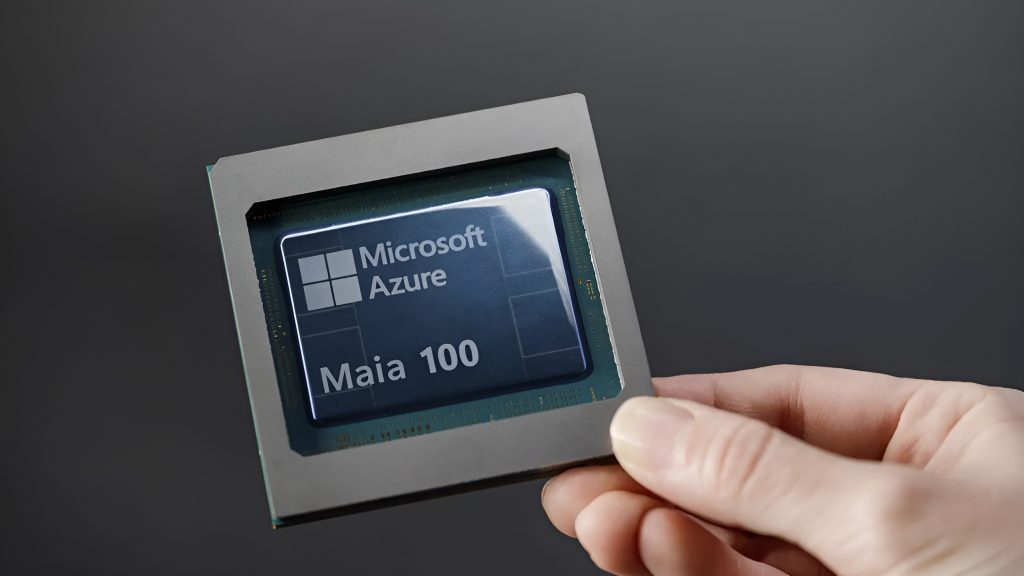
The AI sector is booming, and Microsoft’s latest hardware push highlights how the company plans to compete with Nvidia, long considered the king of AI chips. This is not just about speed or performance — it’s about redefining how companies and developers access high-end AI processing without being locked into a single ecosystem.
What Makes Microsoft’s New AI Chip Stand Out
Microsoft’s new AI chip focuses on efficiency, scalability, and integration with its Azure cloud platform. Key highlights include:
Optimized for AI Inference: The chip is designed to handle massive AI workloads, particularly those used in large language models and advanced machine learning tasks.
Energy Efficiency: Microsoft claims significant power savings, making it appealing for large-scale data centers looking to reduce operational costs.
Seamless Cloud Integration: Native compatibility with Azure means companies can deploy AI models faster and more reliably, without complex workarounds.
Competitive Performance Metrics: While Nvidia still leads in raw GPU power, Microsoft’s chip reportedly closes the gap in key benchmarks, particularly in AI inference speed.
By focusing on inference rather than training, Microsoft targets a growing market segment where AI models are actively deployed in real-world applications. This strategic choice allows them to carve out a niche without directly replicating Nvidia’s GPU dominance.
Why This Matters for AI and Tech Industries
The AI chip market has been dominated by Nvidia for years, but Microsoft’s entry is a clear signal that the competition is heating up. Here’s why this development is significant:
Market Diversification: Organizations now have alternatives to Nvidia, which could drive innovation and lower costs.
AI Accessibility: Smaller companies and developers can benefit from Microsoft’s cloud-backed infrastructure, expanding AI adoption.
Strategic Positioning: Microsoft is strengthening its AI ecosystem, from software tools to cloud services, making it a more integrated player.
Experts suggest that the timing could not be better. With AI applications exploding in sectors like healthcare, finance, and creative industries, companies are demanding chips that balance performance with energy efficiency. Microsoft’s entry addresses both of these needs, positioning them as a serious competitor in the chip arena.
Potential Challenges Ahead
No major tech move comes without hurdles. Microsoft will need to:
Compete on Performance: Nvidia has years of optimization and developer trust, which will not be easy to overcome.
Scale Production: Delivering chips at the scale required for global AI demand is complex and capital-intensive.
Convince Developers: The ecosystem advantage of Nvidia GPUs is strong, and Microsoft will need to attract developers with incentives and compatibility.
Despite these challenges, Microsoft’s approach shows a clear understanding of the AI landscape. Instead of copying Nvidia, they are leveraging their cloud platform to offer an integrated experience, which could resonate strongly with enterprise clients.
What This Means for Investors and Tech Enthusiasts
For investors, Microsoft’s move signals a long-term commitment to AI and cloud infrastructure. The AI boom is just getting started, and companies that position themselves with innovative hardware could capture significant market share. Tech enthusiasts will likely see faster, more efficient AI applications across Azure services, potentially improving everything from natural language processing to generative AI experiences.
Microsoft’s entry also pushes Nvidia to innovate further, benefiting the industry as a whole. The competition could result in better chips, lower prices, and faster AI solutions for businesses and consumers alike.
Final Thoughts
If you are following AI advancements, this is a milestone worth noting. Microsoft’s new AI chip is not just another hardware release — it represents a strategic bet to challenge Nvidia and redefine AI infrastructure. You can expect increased innovation, more choices for developers, and a more dynamic AI chip market in the months ahead. Whether you are a tech professional, investor, or AI enthusiast, this development will likely impact how AI is built and deployed for years to come.