Artificial intelligence is entering a new phase, and the next big shift may revolve around AI Agents. Instead of simple chatbots that respond to questions, these intelligent systems can perform tasks, make decisions, and work together to solve complex problems.
This week, Nvidia made headlines across the tech world by revealing plans to launch an open source platform designed for building and running AI Agents. The announcement immediately sparked excitement among developers, businesses, and even the cryptocurrency market.
The move signals something bigger than just another AI tool release. It suggests that the future of computing could revolve around autonomous software assistants that work on our behalf.
If Nvidia succeeds, AI Agents may soon become a core layer of the modern internet.
Why Nvidia Is Betting on AI Agents
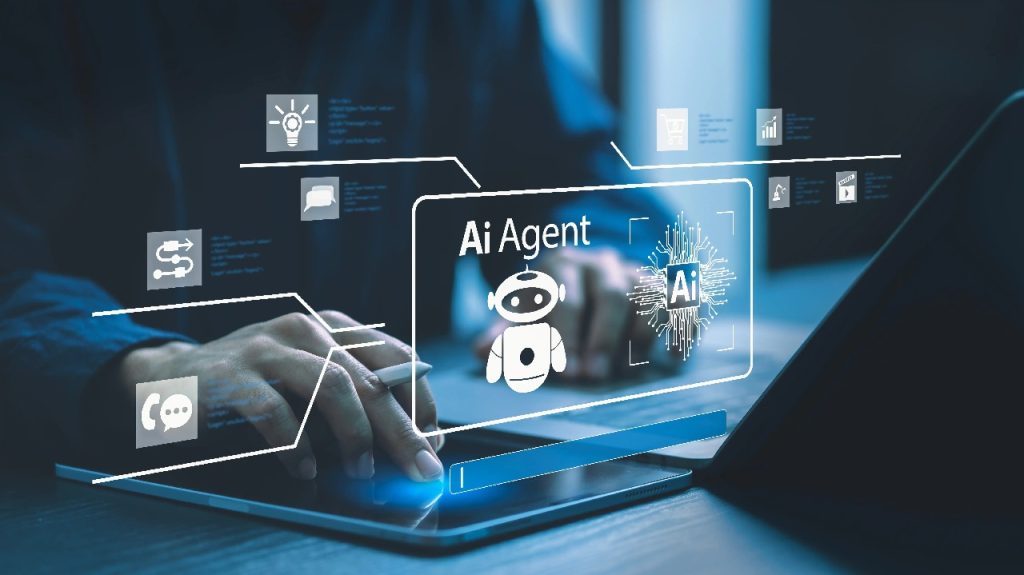
Nvidia has been one of the biggest winners of the artificial intelligence boom. Its GPUs power most of the AI models used by companies like OpenAI, Microsoft, and Google.
But the company is now looking beyond hardware.
According to recent reports, Nvidia is preparing to release an open source platform focused entirely on AI Agents. The goal is to make it easier for developers to build software that can reason, take actions, and interact with other systems automatically.
Instead of writing complex automation scripts, developers could create intelligent agents that handle tasks on their own.
These agents could potentially:
• Search the web and gather information
• Manage software systems
• Coordinate with other AI systems
• Assist developers with coding and debugging
• Automate business operations
In simple terms, Nvidia wants to help developers build digital workers powered by AI.
What Makes This Platform Different
Many companies are already exploring agent based AI systems. However Nvidia’s strategy stands out because of its open source approach.
The upcoming platform reportedly includes several new tools designed specifically for building agent driven applications. Some of the components mentioned in early reports include systems designed to manage agent workflows, coordinate communication between agents, and handle data efficiently.
The project is expected to include tools such as:
• Agent frameworks that allow developers to design intelligent workflows
• Database systems optimized for agent tasks
• Collaboration tools for multi agent environments
• Integration capabilities with existing AI models
This approach allows developers to build complex AI powered ecosystems where multiple agents can work together.
Imagine one AI agent researching information while another analyzes data and a third prepares a report. Nvidia’s platform aims to make that type of workflow easier to build.
Why Open Source Matters for AI Agents
One of the most interesting aspects of Nvidia’s announcement is the open source nature of the platform.
Open source projects often grow faster because developers around the world can contribute improvements, build tools, and experiment with new ideas.
This is the same strategy that helped technologies like Linux, Python, and Kubernetes become industry standards.
By opening the platform to developers, Nvidia could accelerate innovation in the AI Agents ecosystem.
It also lowers the barrier for startups, researchers, and independent developers who want to build advanced AI systems without massive infrastructure budgets.
For developers interested in AI research and frameworks, resources from organizations like the Open Source Initiative can provide deeper insight into how open technologies shape the industry
https://opensource.org
The AI Agent Race Is Heating Up
Nvidia is not the only company exploring agent driven AI systems. The entire technology industry is quickly moving toward this concept.
Microsoft recently partnered with AI startup Anthropic to integrate advanced agent capabilities into its Copilot ecosystem. The idea is to create AI assistants that can collaborate with users and perform real work inside applications.
Instead of simply generating text, these systems could manage tasks like scheduling, document creation, coding workflows, and research.
This shift signals a major transformation in how people interact with software.
Rather than clicking through menus and apps, users may soon rely on AI Agents that act as digital coworkers.
Some experts believe this could represent the biggest change in personal computing since smartphones.
Market Reaction Shows Growing Excitement
The announcement did not just capture attention in the tech industry. It also triggered movement in the cryptocurrency market.
Several tokens associated with AI technologies saw strong price increases after news about Nvidia’s open source AI agent platform began circulating.
Investors appear to believe that AI Agents could become a major infrastructure layer for the next generation of digital services.
The logic is simple. If autonomous AI systems start managing data, executing transactions, and interacting across networks, there could be a massive demand for platforms that support these capabilities.
While the long term impact remains uncertain, the market response shows how much enthusiasm exists around the concept.
What AI Agents Could Change in Everyday Technology
The idea of AI Agents might sound futuristic, but the practical applications are already emerging.
Over the next few years, these systems could transform several industries.
Software Development
Developers may rely on AI agents to write code, review pull requests, test applications, and fix bugs automatically.
Customer Support
Companies could deploy agents that handle support tickets, troubleshoot issues, and escalate complex cases to human staff.
Data Analysis
AI agents could gather information from multiple sources, analyze patterns, and generate reports without human input.
Business Automation
Organizations may build entire workflows powered by autonomous agents that manage tasks across departments.
Personal Productivity
Individuals could use AI agents to organize schedules, manage emails, and research information.
This shift moves AI from being a tool you ask questions to a system that actively works for you.
Nvidia’s Strategy Could Shape the Next AI Ecosystem
Nvidia’s influence in the AI industry gives the company a powerful position in shaping what comes next.
If its open source AI agent platform gains adoption, it could become a foundational layer for agent based software development.
That would place Nvidia not just as the hardware supplier for AI, but also as a major platform provider.
Many analysts believe the future of artificial intelligence will involve networks of specialized agents collaborating together.
Nvidia’s tools could make that vision easier for developers to build.
Challenges That Still Remain
Despite the excitement, AI agents still face important technical and ethical challenges.
Reliability is a major concern. Autonomous systems must be able to make accurate decisions without causing unexpected errors.
Security is another issue. AI agents interacting with multiple systems must be carefully designed to prevent misuse.
There are also questions about transparency and accountability when machines begin making decisions that affect businesses and individuals.
Addressing these challenges will require strong governance, responsible development practices, and collaboration across the technology community.
The Bigger Picture for AI Agents
The concept of AI Agents is quickly moving from research labs into real world products.
Companies like Nvidia, Microsoft, and several emerging startups are racing to build the infrastructure that will power this new generation of software.
If these efforts succeed, the way we interact with technology may change dramatically.
Instead of opening apps and performing tasks manually, people may simply assign goals to AI agents and let them handle the work.
For developers, businesses, and everyday users, this could unlock a new level of productivity and automation.
And with Nvidia stepping into the open source arena, the momentum behind AI Agents is likely just beginning.
In the coming months, the technology world will be watching closely to see how developers respond to Nvidia’s platform and what new innovations emerge from the growing agent ecosystem.
One thing is clear. The era of intelligent digital workers is approaching faster than many expected.