The World Trade Organization just dropped a prediction that could change the way we think about the global economy. According to a new report, artificial intelligence could add a staggering 40 trillion dollars to world trade by 2040. That’s not a typo. The WTO says AI has the power to completely transform how goods and services move across borders, but the shift comes with big opportunities and equally big risks.
Why the World Trade Organization Is Sounding the Alarm
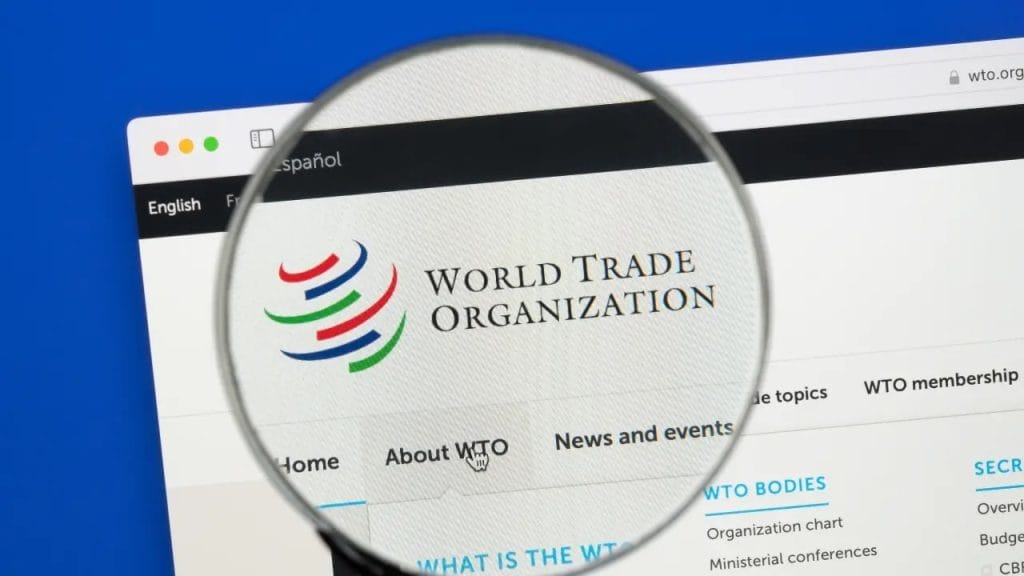
The World Trade Organization (WTO), often seen as the guardian of global trade rules, has stepped into the spotlight with one of its most ambitious forecasts yet. Their latest World Trade Report suggests AI could increase global trade flows by nearly 40 percent over the next 15 years. This means companies across industries, from manufacturing to finance, could see faster logistics, smarter supply chains, and new opportunities to sell services across borders.
But here’s the catch: while the benefits are massive, so are the potential downsides. The WTO warns that unless gaps in digital infrastructure, skills, and governance are addressed, AI could worsen inequality between countries. Wealthier economies with advanced AI adoption may reap the biggest rewards, while developing nations risk being left behind.
The Big Numbers You Need to Know
The report highlights a few standout projections:
40 trillion dollars could be added to world trade by 2040 through AI-driven efficiencies
37 to 40 percent growth in global trade flows over the next 15 years
Services trade may benefit most, with cross-border AI-enabled services like digital finance, design, and consulting expected to boom
Manufacturing could see lower costs and faster innovation, thanks to AI-driven automation and smarter supply chain management
These numbers are not just impressive; they’re historic. To put it in perspective, global trade totaled around 32 trillion dollars in 2023. Adding another 40 trillion on top of that would fundamentally reshape the balance of economic power.
How AI Will Reshape Trade
AI is not just another digital tool. It is becoming the backbone of how economies function. Here are a few ways AI could revolutionize trade according to the WTO:
Smarter logistics: AI can reduce shipping delays, optimize routes, and cut costs.
Cross-border services: From cloud computing to telemedicine, AI-powered services can travel digitally without facing the same tariffs as physical goods.
Predictive supply chains: Companies can anticipate demand and adjust production before shortages or surpluses happen.
Faster customs clearance: AI-driven systems could speed up inspections and reduce paperwork at borders.
All of this could make international trade more efficient and accessible.
The Unequal Future of Trade
But the story is not all positive. The World Trade Organization warns that without global cooperation, AI could deepen inequality. Advanced economies with strong AI capabilities might dominate, while countries without digital infrastructure may struggle to compete.
Think about it: if customs in one country are powered by AI that clears shipments in minutes, while another nation still relies on paper-based systems, the difference in competitiveness becomes overwhelming. This digital divide could leave many developing countries behind, even as trade grows globally.
Why Policymakers Should Pay Attention
The WTO makes it clear: the benefits of AI in trade will only materialize if the right policies are in place. That means:
Investing in digital infrastructure so all countries can use AI tools
Training workers to adapt to AI-powered industries
Setting global rules for responsible AI use in trade
Ensuring fairness so small businesses and developing nations are not locked out of opportunities
This is not just about technology. It is about rewriting the rules of the global economy.
What This Means for Businesses
If you run a business, this forecast should be on your radar. AI is no longer optional; it is becoming a necessity for survival in global markets.
Exporters who adopt AI early could reach new customers faster
Service providers could scale internationally with fewer barriers
Supply chains powered by AI will outpace competitors stuck in manual processes
At the same time, businesses must prepare for new regulations and higher expectations around data security, transparency, and ethics.
The Bigger Picture: A New Era for Global Trade
The World Trade Organization’s forecast feels like a wake-up call. We are entering an era where trade is not just about ships and ports but about algorithms and data flows. AI has the potential to unlock prosperity on a massive scale, but only if the world works together to make it inclusive.
If handled correctly, AI could bring faster growth, more connected markets, and better opportunities for businesses worldwide. But if ignored, it could widen the gap between nations and concentrate power in the hands of a few.
Conclusion
The message from the World Trade Organization is clear: AI will redefine global trade over the next two decades. Businesses, policymakers, and citizens all need to understand what’s coming. The 40 trillion dollar opportunity is real, but so are the risks.
As we step into this new AI-driven era, the question is not whether AI will transform trade, but whether the world is ready to shape that transformation in a fair and balanced way.