What is GPT Engineer?
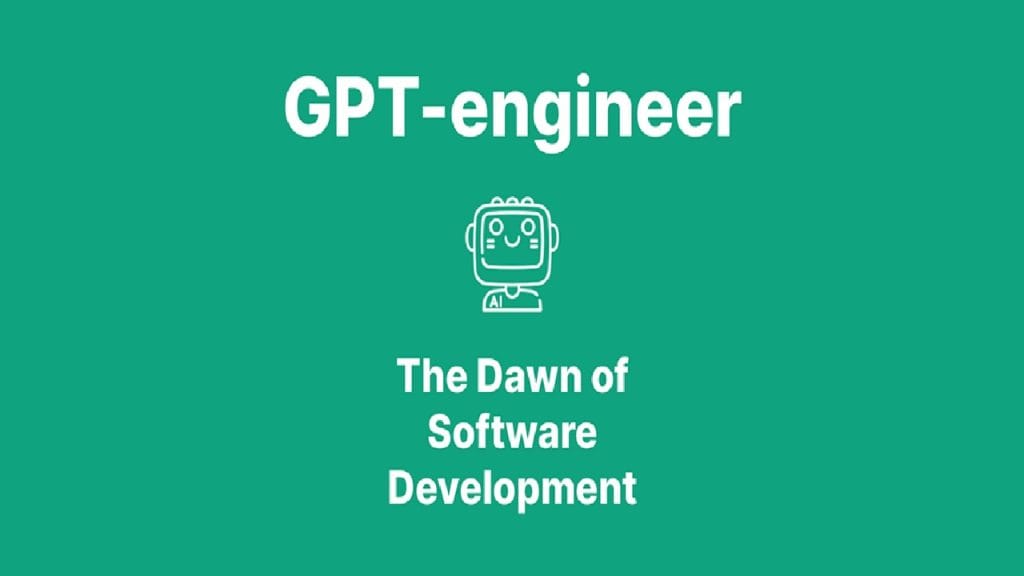
GPT Engineer is an open-source AI tool designed to help developers build software applications faster and more efficiently using natural language prompts. Instead of writing code line by line, users can describe what they want the program to do, and GPT Engineer will generate a full codebase tailored to that description. It bridges the gap between software design and development by making code generation more intuitive and interactive.
Whether you’re prototyping an app, automating workflows, or building MVPs, GPT Engineer allows you to skip repetitive coding tasks and focus on solving higher-level problems.
Key Features
- Prompt-Driven Code Generation: Users input a prompt describing the desired functionality, and the tool generates the necessary codebase automatically.
- Editable Memory System: GPT Engineer remembers previous design decisions, enabling a more personalized and consistent coding experience.
- Multi-Step Generation Process: The tool doesn’t just generate code blindly—it guides users through stages like planning, feedback, and revision.
- Customizable Configurations: Developers can fine-tune generation behavior to match specific coding standards, languages, or preferences.
- Supports Multiple Programming Languages: While optimized for Python, GPT Engineer can be adapted to generate code in other languages as well.
✅ Pros
- Time-Saving Development: GPT Engineer significantly reduces development time by generating functional code from descriptions.
- Customizable Workflow: Developers have the flexibility to guide and tweak the generation process to fit specific project needs.
- Active Community: Being open source, the project is supported by a growing community that contributes features and improvements.
- No Cost: Unlike many commercial tools, GPT Engineer is free to use, making it accessible for individuals and startups.
❌ Cons
- Steep Learning Curve: Beginners may find it challenging to write effective prompts or modify the output code properly.
- Limited Language Support: Although adaptable, it primarily supports Python out of the box, requiring extra setup for other languages.
- Still Evolving: As an open-source project, GPT Engineer is constantly evolving, meaning some features may be experimental or unstable.
Who is Using GPT Engineer?
- Primary Users:
GPT Engineer is primarily used by software developers, machine learning engineers, startup founders, and tech-savvy product managers. It’s especially valuable for individuals or teams who need to build functional software prototypes quickly or experiment with new ideas without starting from scratch.
Use Cases
- Use Case 1: Rapid Prototyping
A startup founder can describe their app idea in plain English, and GPT Engineer will generate a codebase that brings that concept to life. This is a game-changer for MVP (Minimum Viable Product) development, helping startups launch faster. - Use Case 2: Learning and Experimentation
Developers use GPT Engineer to explore new frameworks or learn programming by reverse-engineering generated code. It’s an effective way to understand coding logic in real-world contexts. - Use Case 3: Internal Tool Development
Tech teams in larger organizations often need internal tools—data dashboards, process automation scripts, etc. GPT Engineer helps them whip up these tools efficiently with minimal manual effort.
Pricing
GPT Engineer is currently an open-source project, which means it’s completely free to use. However, developers should note that running the tool locally requires some setup and access to OpenAI’s GPT models, which may incur API usage costs depending on your usage tier.
- Plan 1: Open Source Edition – Free – Access to the full codebase via GitHub with community support.
- Plan 2: Self-Hosted GPT Integration – Variable Pricing – Requires OpenAI API key; cost depends on usage.
- Plan 3: (Planned/Community Forks) – There are emerging forks and third-party wrappers offering premium services, but these are not officially affiliated with the core project.
Note: For the most accurate and updated pricing or integration options, refer to the official GitHub repository.
What Makes GPT Engineer Unique?
GPT Engineer stands out for one main reason—it doesn’t just generate code; it simulates the way a thoughtful developer would approach a project. Instead of throwing out a single block of code, it walks through the process in stages: understanding the requirements, drafting a plan, generating code, and even documenting parts of it. This multi-step interaction makes the tool feel less like a code generator and more like a collaborative coding assistant.
Unlike most AI code tools that work within the browser or IDE, GPT Engineer can be run locally, giving developers full control over the environment and output. It’s also customizable at the config level, allowing deep tweaking of generation behavior—ideal for advanced users and teams with specific development standards.
Compatibilities and Integrations
- Integration 1: Git and GitHub – Users can clone, commit, and manage projects easily through Git integrations.
- Integration 2: OpenAI API – The backbone of GPT Engineer’s code generation relies on integrating with OpenAI’s GPT models.
- Integration 3: Custom Plugins – Developers can extend the tool’s capabilities with plugins or scripts specific to their project stack.
- Hardware Compatibility: Compatible with macOS (Intel & Apple Silicon), Linux, and Windows (with WSL). It works efficiently on machines with standard development environments and does not require high-end GPUs.
- Standalone Application: No – GPT Engineer is not a GUI-based standalone app. It’s a command-line tool that runs in a local dev environment, typically through VS Code or terminal.
Tutorials and Resources of GPT Engineer
To help users get started with GPT Engineer, there are several valuable resources available:
- Official GitHub Repository: The GitHub page provides the full source code, installation instructions, and detailed documentation. It’s the central hub for all updates and community contributions.
- Community Forums: GPT Engineer has an active community on GitHub discussions and external forums like Stack Overflow. Here, users can share their experiences, troubleshoot issues, and offer advice.
- YouTube Tutorials: Various developers and tech enthusiasts have posted video tutorials walking through the setup process, configuration, and examples of how to use GPT Engineer effectively in different use cases.
- Blog Posts and Articles: Several tech blogs and websites offer step-by-step guides on how to maximize GPT Engineer’s potential, whether you’re a beginner or advanced user.
For more in-depth learning, users can also look into AI and machine learning communities for discussions on code generation best practices and how to leverage GPT Engineer in real-world projects.
How We Rated It
Here’s how we rated GPT Engineer based on key factors that matter to developers:
Category | Rating |
Accuracy and Reliability | 4.5/5 |
Ease of Use | 4/5 |
Functionality and Features | 4.5/5 |
Performance and Speed | 4/5 |
Customization and Flexibility | 4.5/5 |
Data Privacy and Security | 4/5 |
Support and Resources | 4/5 |
Cost-Efficiency | 5/5 |
Integration Capabilities | 4.5/5 |
Overall Score | 4.4/5 |
GPT Engineer is a powerful open-source tool that offers significant time-saving benefits for developers, especially those looking to rapidly prototype software or automate tedious coding tasks. Its unique ability to guide users through the process of code generation, combined with a flexible and customizable setup, makes it an excellent choice for both beginner and experienced developers.
Ideal Users:
- Developers who want to automate the more repetitive aspects of coding.
- Startups needing quick MVP development.
- Learners and hobbyists looking to understand real-world coding patterns.
While it’s not a perfect fit for all projects (due to its learning curve and limited language support), GPT Engineer excels in areas like rapid prototyping, code generation, and integration flexibility. With an active community, robust tutorials, and a growing feature set, it’s clear that this tool is well-suited for users looking to innovate in the world of AI-assisted development.